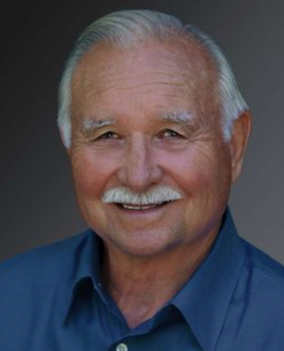
How Thomas Friedkin Built a $1.7B Fortune in the Automotive Sector
Thomas Friedkin, a name synonymous with quiet determination and monumental success in the American automotive industry, stands as a testament to strategic vision and unwavering resolve. With an estimated **thomas friedkin net worth** of $1.7 billion as of 2024, his journey from an airline pilot to the founder of a multi-billion-dollar automotive empire is a compelling narrative of entrepreneurial acumen. While many might recognize the names of major car manufacturers, it's figures like Friedkin, operating behind the scenes, who truly shape the landscape of vehicle distribution across vast regions. His remarkable fortune is predominantly rooted in Gulf States Toyota (GST), a formidable entity that has redefined the regional distribution model and secured its place as a cornerstone of the Toyota brand's success in the United States.
From Aviation Roots to Automotive Visionary
The foundation of Thomas Friedkin’s entrepreneurial spirit was laid long before he entered the automotive world, deeply rooted in the skies. His father, Kenny Friedkin, was a decorated combat pilot and trainer for the British Royal Air Force during World War II. After the war, Kenny channeled his passion for aviation into business, first establishing Friedkin Aeronautics, a flight school in San Diego, California. His most notable venture, however, was Pacific Southwest Airlines (PSA), founded in 1949 with a single leased DC-3. By 1958, PSA was carrying nearly 300,000 passengers, a testament to Kenny's pioneering spirit in commercial aviation.
Thomas learned to fly as a youth, absorbing the intricacies of the aviation business firsthand. Following in his father's footsteps, he began working as a pilot for PSA in 1962. This early hands-on experience provided him with invaluable insights into operational management, customer service, and the relentless pursuit of efficiency – skills that would later prove crucial in building his own empire.
However, fate dealt a harsh blow early in Thomas's career. In 1962, his father died abruptly at the young age of 47 due to a cerebral hemorrhage. The following year, PSA went public, and soon after, his mother also passed away, leaving Thomas as the largest shareholder of the burgeoning airline. Despite his significant stake and a seat on the Board of Directors, Thomas remained dedicated to his craft, continuing to work full-time as a pilot for PSA. The airline continued its impressive growth, reaching $500 million in revenues before its eventual sale to US Airways for $400 million in 1988. Interestingly, despite his considerable ownership, Thomas Friedkin received a modest $3.4 million from the sale, a figure that pales in comparison to the immense wealth he would later accumulate. This early experience likely taught him valuable lessons about equity, control, and the long-term impact of strategic business decisions, lessons he would apply with resounding success in his next venture.
The Genesis of an Automotive Empire: Gulf States Toyota
It was in the dynamic world of motorsports, a passion of his during the 1960s, that Thomas Friedkin found the pivotal connection that would define his future **thomas friedkin net worth**. Through his friendship with racing legend Carroll Shelby, Friedkin was introduced to Toyota Motors. Shelby, who had previously turned down an offer to become a Toyota distributor, recognized Friedkin's drive and introduced him to the Japanese automaker. This serendipitous meeting marked the birth of Gulf States Toyota Distributors (GST) in 1968.
Friedkin's vision for GST was brilliant and strategically sound. He secured exclusive rights to wholesale Toyota, Scion, and Lexus vehicles, as well as parts and services, to approximately 150 dealerships across a vast and economically significant territory: Arkansas, Louisiana, Mississippi, Oklahoma, and Texas. This regional distribution model, known as a "port of entry" distributorship, granted GST a powerful monopoly within its designated states. Instead of individual dealerships buying directly from Toyota, they purchased their inventory from GST, which handled everything from importing to regional logistics.
Under Friedkin's leadership, GST blossomed into a multibillion-dollar franchise. Its robust operations and deep market penetration meant that GST’s sales accounted for nearly 13% of all Toyota sales in the United States. This staggering figure underscores the immense scale and influence of Friedkin's operation. GST, as a wholly-owned subsidiary of the Friedkin Companies, quickly became a financial powerhouse. By 2008, Forbes recognized the Friedkin Companies, with GST at its core, as the 53rd largest private company in America, boasting estimated revenues of $5.7 billion. The success of Gulf States Toyota wasn't merely about selling cars; it was about creating an incredibly efficient, vertically integrated distribution network that maximized profit margins on every vehicle, part, and service sold within its territory. This exclusive regional control over a rapidly growing and highly desirable brand like Toyota was the golden goose that fueled Friedkin's incredible wealth.
Beyond Distribution: Diversification and Lasting Legacy
While the automotive sector became the primary engine of Thomas Friedkin's wealth, his interests and impact extended beyond pure distribution. His passion for cars wasn't limited to the business side; he was also deeply involved in car racing. From 1965 to 1969, he was a Grand National Owner, seeing moderate success with drivers like Jim Paschal and Bobby Allison. His connection with Bill Thomas of Bill Thomas Race Cars even led to the construction of one of the first sprint cup cars for Friedkin enterprises in 1965. This immersion in the culture and mechanics of racing undoubtedly provided him with a deeper understanding of the automotive world, informing his business decisions and ensuring GST remained keenly attuned to market trends and consumer desires.
Beyond his professional ventures, Friedkin built a strong family. In 1963, he married Susan Wille Friedkin, and together they had four children: Dan Friedkin, Tomisu Friedkin Dawley, Debra Friedkin, and Mary Friedkin. This commitment to family is evident in the strategic succession planning that ensures his empire continues to thrive. Today, his son, Dan Friedkin, serves as the chairman of the family-owned holding company, Friedkin Companies, which oversees Gulf States Toyota and a diverse portfolio of other businesses, including hospitality, entertainment, and conservation. This seamless transition highlights not only Thomas Friedkin's foresight in building a sustainable business but also his dedication to creating a lasting family legacy. The transition of leadership ensures that the automotive dynasty he painstakingly built will continue to contribute significantly to the automotive landscape and the family's enduring **thomas friedkin net worth**.
The Pillars of Friedkin's Billion-Dollar Success
Thomas Friedkin’s journey to a $1.7 billion net worth wasn't accidental; it was the result of several foundational business principles and strategic advantages:
*
Strategic Vision: Friedkin possessed the foresight to recognize the burgeoning potential of Toyota in the American market during the 1960s, a time when Japanese cars were not yet dominant. He secured a foothold early, betting on a brand that would eventually become a global leader.
*
Exclusive Rights: The cornerstone of GST's success was its exclusive regional distributorship. This model eliminated competition within its territory, allowing GST to control pricing, inventory, and dealer relationships, maximizing profitability.
*
Operational Excellence: Friedkin built a highly efficient logistics and distribution network. Handling the import, warehousing, and delivery of hundreds of thousands of vehicles, parts, and accessories requires sophisticated operational management, which GST mastered.
*
Market Dominance: By focusing on a large and economically vibrant region encompassing five states, Friedkin ensured GST captured a substantial and consistent revenue stream. The sheer volume of sales within this territory cemented GST's market dominance.
*
Adaptability & Growth: As Toyota expanded its brand portfolio with Scion and Lexus, GST seamlessly integrated these new brands into its distribution network, demonstrating flexibility and a capacity for sustained growth. This ensured the company's relevance and profitability evolved with the parent manufacturer.
For aspiring entrepreneurs, Friedkin's story offers invaluable lessons: identifying underserved markets, securing proprietary advantages, building robust operational frameworks, and planning for seamless succession are critical for creating enduring wealth. To delve deeper into the specifics of his automotive empire, consider reading
Thomas Friedkin's $1.7 Billion Net Worth: The Gulf States Toyota Story, or explore the full arc of his incredible career in
Thomas Friedkin: From Pilot to Automotive Billionaire & His Empire.
In conclusion, Thomas Friedkin's journey from a pilot flying commercial routes to a titan of the automotive industry is a compelling narrative of ambition, strategic insight, and relentless execution. His creation of Gulf States Toyota not only cemented his incredible **thomas friedkin net worth** but also established a formidable legacy in the annals of American business. His ability to identify a niche, secure exclusive rights, and build a highly efficient distribution machine for a global brand remains a powerful example of entrepreneurial success, echoing through the continued prosperity of the Friedkin Companies today.